Power Without Compromise: Why Choose LS Tractor?

In the evolving landscape of 2026, the modern landowner is looking for more than just a machine; they are looking for a partner that can handle the grit of daily labor without the “premium” price tag of heritage brands. While the market is flooded with options, LS Tractor has emerged as the smart choice for those who value performance over flashy logos. Engineered with a philosophy that puts the operator first, LS Tractor provides a “built-to-work” experience that balances heavy-duty capability with intuitive design. Choosing LS Tractor isn’t just about buying a piece of equipment; it’s about securing the most “tractor for your money” in today’s competitive market.

Get More Standard Features for Your Investment

The most frustrating part of buying a new tractor is often the “hidden” costs—the realize that the front-end loader or the fourth-wheel drive (4WD) comes at an extra charge. LS Tractor disrupts this model by redefining what comes standard. On most models, features like high-capacity hydraulics, industrial-grade 4WD, and even the front-end loader are included in the base price. This “Honest Pricing” policy ensures that you can roll off the lot with a fully functional machine ready to work, rather than a bare-bones frame that needs thousands in upgrades.

According to the latest 2026 LS Tractor performance specs, these machines are designed with reinforced steel and high-efficiency engines—often sourced from Mitsubishi or LS’s own world-class manufacturing plants. This means you get superior lift capacity and higher PTO horsepower compared to many competitors in the same price bracket. It is a value proposition that allows small-acreage farmers and professional landscapers to own a higher-horsepower machine than they thought their budget would allow.

Simplify Your Day with Operator-First Design

Tractor work is demanding, and operator fatigue is a real factor in productivity. LS Tractor has gained a loyal following by prioritizing ergonomics and ease of use. For 2026, the new MT2 and MT2RE series have introduced refined cab designs with 360-degree visibility, high-back adjustable seating, and climate-controlled environments that make long hours in the field feel like a breeze. The intuitive layout of the controls—including smooth hydrostatic transmissions and easy-to-reach loader sticks—means that even first-time owners can operate the machine with confidence.

A standout feature for many in the 26 HP category is the ability to avoid Tier 4 emissions regen cycles. This “no-regen” convenience means less downtime and simplified maintenance for homeowners and hobby farmers who don’t want to manage complex exhaust systems. It is a practical, common-sense approach to engineering that keeps you in the driver’s seat and out of the repair shop.

Peace of Mind with an Industry-Leading Warranty

Trust is earned through longevity, and LS Tractor stands behind its machines with one of the most robust support systems in the industry. Every compact and sub-compact tractor comes with a 6-year limited powertrain warranty, which includes both parts and labor with no deductible. This isn’t just a marketing gimmick; it is a testament to the confidence they have in their South Korean engineering and American assembly.

In an industry where parts availability and service speed are critical, LS has rapidly expanded its dealer network across North America. This ensures that you have local experts like those at Topsham Tractor or Weaver Outdoors to handle routine maintenance and keep your machine in peak condition. When you choose LS, you are joining a community that values straightforward service and a “no-nonsense” warranty that actually has your back when it matters most.

A Smart Asset for Your Property’s Future

Whether you are managing a 5-acre homestead or a commercial landscaping fleet, a tractor is a significant financial asset. LS Tractors have shown remarkable resilience in resale value because they are built with rugged, high-quality components that don’t rely on plastic body parts that degrade over time. Industry reviews for 2026 highlight that LS Tractors depreciate slower than many budget brands, making them a cost-effective choice for long-term ownership.

The versatility of the LS attachment system—from backhoes and grapples to rotary cutters and snow blowers—means your tractor can evolve as your property does. You are investing in a multi-tool that can clear a driveway in January and till a garden in May. By choosing a brand that offers premium performance at an accessible price point, you are maximizing your return on investment and ensuring that your land remains productive and beautiful for years to come.


Final Insights for Your Next Project

Success on the land is measured by the work that gets finished, not the brand on the hood. Choosing an LS Tractor is a declaration that you value substance, reliability, and honest value. As you look ahead to your next project, consider the benefits of a machine that gives you more power, more features, and a longer warranty for a price that keeps your farm’s finances in the green.

By prioritizing a tractor that is engineered for the real world, you are giving yourself the freedom to tackle bigger tasks with less stress. Your land is your legacy, and it deserves a machine that works as hard as you do. Don’t just follow the crowd; choose the “LS Difference” and experience what it feels like to have the right tool for the job, every single time.

The Bedrock of Quality: Why Choose Nitterhouse?

When the goal is to build something that lasts for generations, the choice of manufacturer is the most critical decision in the planning phase. For those who refuse to compromise on structural integrity or architectural finesse, Nitterhouse Masonry Products stands as a titan in the industry. With a heritage built on family values and industrial-strength precision, Nitterhouse offers a level of “over-engineered” quality that provides homeowners and developers with absolute peace of mind. Choosing Nitterhouse means choosing a legacy of craftsmanship that treats every stone as a vital piece of a larger, permanent puzzle.

Industrial Strength Meets Residential Beauty

Nitterhouse is unique because they produce materials used in massive commercial infrastructure, and they bring that same “heavy-duty” philosophy to their residential lines. Whether it is their architectural blocks or their paving stones, every product is manufactured to exceed industry standards for compressive strength and water absorption. While some pavers may crumble under the weight of heavy vehicles or harsh freeze-thaw cycles, Nitterhouse products are designed to withstand the most demanding environments.

According to the Nitterhouse production standards, their concrete products are cured in a controlled environment to ensure maximum density. This process minimizes the risk of efflorescence—that annoying white, powdery substance that often plagues lower-quality masonry. By choosing a manufacturer that prioritizes the internal chemistry of the stone, you are ensuring that your walkway, driveway, or retaining wall remains structurally sound and visually pristine for decades, not just seasons.

Distinctive Aesthetics for a Custom Feel

One of the most interesting aspects of the Nitterhouse catalog is the sheer variety of unique textures and finishes available. They don’t just produce “standard” blocks; they offer specialty items like the VIP Paver and Architectural Split Face blocks that provide a high-end, custom-built look. These products allow you to achieve a sophisticated aesthetic that mimics natural stone but with the predictable installation and durability of engineered masonry.

The design flexibility is a major draw for modern architects and creative homeowners. As noted in the latest 2026 architectural masonry trends, there is a growing demand for “monolithic” and large-format stones that create a sense of scale and luxury. Nitterhouse excels in this area, offering clean lines and bold profiles that complement both mid-century modern homes and traditional estates. When you choose Nitterhouse, you aren’t just buying building materials; you are selecting a design palette that reflects your personal standard for excellence.

Environmental Responsibility and Innovation

In an era where sustainability is just as important as style, Nitterhouse has positioned itself as a forward-thinking leader. They have invested heavily in eco-friendly manufacturing processes and permeable paver technologies. These permeable systems are a smart solution for stormwater management, allowing rainwater to filter back into the ground rather than creating runoff that can damage local ecosystems or cause flooding on your property.

This commitment to innovation ensures that your landscape is not only beautiful but also responsible. Nitterhouse products are often used in LEED-certified projects because of their sustainable attributes. By integrating these professional-grade, eco-conscious materials into your home project, you are contributing to a greener future while enjoying the benefits of a high-performance, low-impact outdoor living environment.

A Heritage of Trust and Performance

Ultimately, the decision to choose Nitterhouse comes down to trust. With nearly a century of experience, they have seen every trend and survived every economic shift by focusing on one thing: making the best concrete products possible. This long-standing reputation is a powerful asset for your home’s value. Real estate professionals recognize the Nitterhouse name as a symbol of quality construction, which can significantly enhance the marketability of your property.

When a buyer sees a Nitterhouse retaining wall or patio, they see a commitment to quality that goes beyond the surface. They see a home that was built to last, using materials that were crafted with pride. It is a smart financial investment that pays off in the form of reduced maintenance costs, enhanced curb appeal, and the quiet confidence that your landscape is anchored by the best in the business.


Final Insights for Your Next Project

Your landscape is more than just an outdoor space; it is a testament to your taste and your foresight. Choosing Nitterhouse is a statement that you value substance as much as style. As you move forward with your masonry project, look for materials that offer the heavy-duty performance of industrial engineering combined with the artistic touch of a family-owned craft.

By prioritizing density, durability, and distinctive design, you are setting the stage for a lifetime of outdoor enjoyment. Whether you are building a grand entrance or a secluded garden retreat, Nitterhouse provides the structural “backbone” your home deserves. Build it once, build it right, and build it with the strength of a legend.

The ArmorTec Advantage: Why Choose Cambridge?

In the world of outdoor design, the true test of a patio or driveway isn’t how it looks on the day it is installed—it is how it looks five, ten, or even twenty years later. For homeowners who demand a “forever” finish, Cambridge Pavingstones with ArmorTec has become the definitive choice. By re-engineering the very surface of the stone, Cambridge has solved the most common frustrations in hardscaping: fading colors and rough, weathered textures. Choosing Cambridge is an investment in a landscape that defies the elements and maintains its “showroom” glow through every season.

Unveiling the Science of a Blemish-Free Surface

The cornerstone of the Cambridge brand is their patented ArmorTec® technology. While standard pavers are made from a consistent mix of stone aggregates and cement, Cambridge utilizes a “face-mix” process. This means the top layer of the paver is infused with high-strength cement and super-fine sand granules, completely omitting the large, chunky stones found in traditional mixtures.

According to the official ArmorTec difference guide, this creates a surface that is exceptionally smooth and incredibly dense. Because there are no large stones at the surface to eventually wear through or pop out, the paver remains blemish-free. It’s a structural shield that prevents the “salt and pepper” look that plagues older, lower-quality concrete surfaces, ensuring your walkway stays as refined as the day it was laid.

Vibrant Colors That Defy the Sun and Salt

One of the most impressive benefits of ArmorTec is its ability to lock in rich, saturated pigments. Because the surface layer is so dense, it resists the penetration of UV rays and the harsh effects of de-icing salts—two of the leading causes of paver discoloration. Whether you choose a deep onyx, a warm toffee, or a multi-tonal limestone blend, the color is designed to remain true for the life of the product.

In regions that experience intense winters or high humidity, this resistance is a game-changer. As highlighted in recent 2026 outdoor durability studies, Cambridge pavers consistently outperform standard concrete by resisting the “spalling” and chipping that occurs during freeze-thaw cycles. You get a vibrant, high-definition look that stands up to snowplows, rainstorms, and the relentless summer sun without losing its architectural punch.

Seamless Style for Modern Outdoor Living

As we move into 2026, the trend of “indoor-outdoor” living has reached a new peak. Homeowners are looking for hardscapes that feel like a natural extension of their interior design. Cambridge offers an expansive library of shapes and textures—from the rugged, old-world charm of the Ledgestone Collection to the sleek, ultra-modern lines of the Skyline Series.

This versatility allows you to create “outdoor rooms” with a cohesive aesthetic. You can transition from a textured pool deck to a smooth outdoor kitchen area while maintaining a unified color palette. This holistic approach is a key component of 2026 luxury landscape trends, where the goal is to create a sanctuary that feels both purposeful and polished. With Cambridge, you aren’t just paving a yard; you are designing a high-end living environment tailored to your lifestyle.

A High-Value Return on Your Home Investment

Hardscaping with premium materials like Cambridge is one of the most effective ways to build equity in your property. Because these pavers are backed by a transferable lifetime warranty, they represent a mark of quality that future buyers immediately recognize. A well-maintained Cambridge driveway or patio significantly boosts curb appeal, which is often the deciding factor in a quick home sale.

Industry data suggests that high-quality paver installations can return over 100% of their cost in added property value. When you choose ArmorTec, you are reducing future maintenance costs and eliminating the need for expensive repairs or replacements. It is a strategic financial decision that balances the joy of a beautiful home today with the security of a high-value asset tomorrow.


Final Insights for Your Next Project

Your outdoor space should be a source of pride, not a list of chores. Choosing Cambridge Pavingstones with ArmorTec means choosing a lifestyle of low-maintenance luxury. By prioritizing a product that emphasizes surface density and color retention, you are ensuring that your backyard remains a beautiful backdrop for your family’s most cherished memories.

As you plan your next renovation, look beyond the price tag and consider the “cost of ownership” over the next decade. A cheaper paver might save money today, but a Cambridge paver saves you time, effort, and money in the long run. Invest in the technology that protects your vision, and build a landscape that stands as a testament to your commitment to quality.

Would you like me to help you draft a set of “Care and Maintenance” tips specifically for Cambridge pavers to share with your clients?

Global Elegance, Local Strength: Why Choose MSI?

The difference between a standard renovation and a spectacular one often comes down to one thing: your material source. For homeowners and designers who want world-class aesthetics without logistical headaches, M.S. International (MSI) has become the go-to name in premium surfaces. Here’s why.

A World-Class Material Catalog

MSI’s most compelling advantage is sheer breadth. Their natural stone and porcelain collections cover virtually every design scenario:

  • Natural stone: granite, marble, travertine, slate, quartzite, and limestone — stocked in a variety of colors, textures, shapes, sizes, patterns, and designs to enhance any home
  • Arterra® Porcelain Pavers: merging the look of natural stone with proprietary features, available in various colors, sizes, and patterns for increased flexibility — with true-to-life graphics and texture
  • Indoor/outdoor continuity: the Indoor/Outdoor Collection features Arterra® Porcelain Pavers and coordinating LVT for a cohesive look that flows beautifully from space to space

Durability Built for Real Life

Gone are the days of choosing between beauty and resilience. MSI’s surfaces are engineered for modern living:

  • Arterra® Porcelain Pavers are resistant to scratches, chipping, staining, temperature fluctuations, moisture, mildew, and UV color fading
  • No sealing or ongoing maintenance is required — these pavers are stain-resistant, mold and mildew resistant, and won’t fade or discolor over time
  • MSI’s proprietary ZeroSlip™ technology delivers added slip resistance for safety around pool areas and wet surfaces
  • Arterra pavers can withstand freeze-thaw cycles and are frost-free, so they won’t crack in cold climates
  • Installation is flexible — set on grass, sand, or on concrete

The Investment Case: ROI You Can Count On

Choosing a premium stone isn’t just an aesthetic decision — it’s a financial one. The numbers back it up:

  • According to the 2024 Cost vs. Value Report by Zonda Media, manufactured stone veneer delivers an ROI of over 153% — a 50% increase from the prior year’s reporting
  • Exterior stone projects ranked in the top 3 nationally for return on investment, alongside garage door and steel door replacement
  • Natural stone patios are one of the most effective ways to increase home value, typically adding 8–10% to a property’s worth
  • According to Angi, hardscaping projects can deliver 20–30% returns when the right materials are chosen

Trend-Forward Design, Year After Year

MSI doesn’t just supply materials — they anticipate where design is heading:

  • The “Seamless Sanctuary” trend, championed by MSI, focuses on blurring the lines between interior and exterior rooms using matching indoor tile and outdoor pavers
  • Transitional indoor/outdoor spaces benefit from porcelain pavers that bridge the gap with features and styling that fit both environments
  • Large-format paver options — including supersized sizes of 16″×47″, 18″×36″, and 24″×48″ — help create expansive, modern-feeling spaces

The Bottom Line

MSI delivers something rare: a catalog wide enough to realize virtually any vision, surfaces durable enough to outlast daily life, and an investment profile that pays off at resale. Whether you’re drawn to the warmth of travertine, the boldness of slate, or the sleek finish of porcelain, MSI offers a proven path from vision to value.

Note: ROI figures cited are national averages from the 2024 Zonda Cost vs. Value Report. Actual returns vary by location, installation quality, and market conditions. Consult a local real estate professional for project-specific guidance.

Elevate Every Square Foot: Why Choose Nicolock?
A guide to materials, technology, and long-term value

The materials you choose for your outdoor living space are silent partners in your home’s long-term beauty. Most homeowners focus on the immediate “wow” factor, but lasting vibrancy comes down to the science behind the stone. Nicolock Paving Stones & Retaining Walls has built its reputation on merging rich aesthetics with a manufacturing process that stands apart from the rest.

1. The paver-shield™ Difference

Most standard pavers use the same mix throughout — meaning the surface is no stronger or more color-rich than the core. As the top layer weathers, the large inner aggregate becomes exposed, leaving a rough, faded “salt and pepper” appearance.

Nicolock’s patented paver-shield™ technology changes this entirely. Their process produces a tight, smooth surface where iron oxide bonds with cement molecules to create vibrant color that runs from top to bottom throughout the paver — not just a surface veneer.

Key Benefits of paver-shield™ Technology
•  No exposed aggregate — the ultra-dense surface layer stays sealed against wear and UV exposure
•  Color that goes all the way through — no thin coating to chip or fade over time
•  Two-part construction — a solid concrete base topped with concentrated ultra-fine cement, premium pigments, and extra-dense aggregate
•  Backed by a residential lifetime warranty from a manufacturer with 50+ years of American production

2. A Spectrum of Style for Every Home

Nicolock offers the industry’s largest selection of multi-colored pavers, giving homeowners endless possibilities to design patios, walkways, and driveways that reflect their personal style. They also specialize in custom circles and inlays, allowing for artistic focal points that enhance any outdoor design. [2]

Their integrated systems let you coordinate patio pavers seamlessly with:

  • Retaining walls — matched color and texture throughout the landscape
  • Fire pits & outdoor kitchens — a cohesive look from the back door to the property’s edge
  • Custom circles & inlays — artistic focal points that elevate standard hardscape
  • Country 6 series, Verona, and more — from classic multi-tonal blends to sophisticated large-format designs

3. Engineered for Resilience & Safety

Nicolock pavers are built to perform under real-world conditions, not just showroom floors:

  • Compressive strength — far exceeds poured concrete, handling driveways, pool decks, and high-traffic walkways [3]
  • Flexibility — individual pavers can shift slightly with ground movement from temperature changes or heavy rainfall, without cracking
  • Slip resistance — surface texture provides safe footing for pool decks, walkways, and family-friendly spaces
  • Coastal-grade durability — dense manufacturing contributes to long-term structural performance even in moisture-heavy or salt-heavy environments [4]

4. A Smart Investment in Your Home’s Value

Quality hardscaping isn’t just a lifestyle upgrade — it’s financial equity. Industry data consistently supports the case for investing in premium outdoor materials:

  • 55–70% average ROI on a professionally designed patio, depending on material quality, design complexity, and location [5]
  • Up to 15–20% boost in home value from well-executed hardscaping, including patios, outdoor kitchens, and fire pits [6]
  • 67–80% ROI on fire pits alone; patio additions can return more than 80% [7]
  • Faster sales & stronger offers — homes with upgraded outdoor spaces consistently outperform comparable listings

Because Nicolock products are known for their stay-new appearance, they represent a premium asset in the eyes of real estate professionals. A driveway or patio that doesn’t show its age signals a well-maintained home to any prospective buyer.

5. The Bottom Line

Your home deserves a foundation that reflects your standards for quality and style. Nicolock delivers on all three fronts that matter most:

  • Technology — paver-shield™ ensures color and strength that genuinely lasts
  • Design — the widest color and style palette in the industry
  • Value — a proven return on investment backed by industry data and a lifetime warranty

Whether it’s a quiet morning coffee on a sun-drenched patio or an evening around a custom fire pit, Nicolock provides the perfect backdrop for the moments that make a house a home.

References

[1]  Nicolock Paving Stones & Retaining Walls. paver-shield™ Technology Guide. Nicolock Manufacturing, Inc. Available at: nicolock.com

[2]  Nicolock Paving Stones & Retaining Walls. Product Catalog — Pavers, Walls & Accessories. Nicolock Manufacturing, Inc. Available at: nicolock.com

[3]  American Concrete Institute (ACI). ACI 318: Building Code Requirements for Structural Concrete. ACI, 2019.

[4]  Portland Cement Association. Concrete Pavement Durability in Coastal Environments. PCA, 2021.

[5]  Remodeling Magazine. Cost vs. Value Report 2024–2025: Patio Addition — Midrange. Hanley Wood Media, 2025. Available at: remodeling.hw.net

[6]  National Association of Realtors Research Group. 2023 Remodeling Impact Report: Outdoor Features. NAR, 2023. Available at: nar.realtor

[7]  HomeAdvisor / Angi. True Cost of Outdoor Living Projects: ROI Analysis. Angi, Inc., 2024. Available at: angi.com

The Need for Speed: 3 Reasons Your Lawn Needs a Zero-Turn Mower

Slice Your Mowing Time in Half and Reclaim Your Weekends

Are you tired of spending your entire Saturday afternoon tethered to a steering wheel, making endless three-point turns just to get a clean edge? If you have a sizable yard or complex landscaping, a traditional riding mower might actually be holding you back. Enter the zero-turn mower (ZTR)—the high-performance “sports car” of the landscaping world.

Designed with independent wheel motors and dual-lever steering, these machines can pivot 180 degrees on a dime. This isn’t just a flashy trick; it’s a functional revolution that changes how you interact with your land. Here are the three most compelling reasons why upgrading to a zero-turn mower is the best investment you can make for your lawn this year.

1. Lightning-Fast Efficiency: Mow More in Less Time

The most immediate benefit of a zero-turn mower is pure, unadulterated speed. While a standard lawn tractor typically chugs along at around 4 mph, most residential zero-turn models can comfortably reach speeds of 7 to 8 mph, with commercial-grade units going even faster.

  • Continuous Movement: Because a ZTR can spin at the end of a row and immediately start the next pass, you eliminate the “dead time” spent backing up or making wide, sweeping turns.
  • Wider Cutting Decks: These mowers often come equipped with larger, reinforced decks (typically 42 to 60 inches), allowing you to cover more ground with every single pass.
  • The Result: Most homeowners find that switching to a zero-turn mower reduces their total mowing time by 40% to 50%. If it currently takes you two hours to mow, you could be back on your patio with a cold drink in just sixty minutes.

2. Surgical Precision: Navigate Obstacles Like a Pro

If your yard is a “straight shot” with no trees or gardens, any mower will do. But if you have flower beds, birdbaths, fire pits, or a dozen oak trees, a traditional mower becomes a source of frustration.

The zero-degree turning radius allows you to hug the edge of a landscape bed or circle a tree trunk with surgical accuracy. This level of maneuverability significantly reduces—or even eliminates—the need for follow-up work with a string trimmer. You get a “pro-style” finish directly from the driver’s seat, ensuring that every square inch of grass is cut evenly without leaving those annoying “islands” of tall grass that steering-wheel mowers often miss.

3. Superior Lawn Health: Reduce Turf Stress and Compaction

It might seem counterintuitive that a faster, heavier machine is better for your grass, but the mechanics of a zero-turn mower are actually gentler on your turf.

  • Less “Scuffing”: Standard riding mowers require the front wheels to lean and “push” through a turn, which can tear at the grass roots. A ZTR pivots on its rear drive wheels, which are often wider and distribute weight more evenly.
  • Nutrient Cycling: Most zero-turns are built with high-airflow decks that excel at mulching. By finely chopping clippings and blowing them back into the turf, you provide a natural nitrogen boost to your lawn, leading to a greener, thicker yard over time.
  • Fewer Passes: Because the mower is so efficient and doesn’t require “do-overs” to catch missed spots, you spend less time driving over the grass, which reduces soil compaction and keeps your lawn’s root system breathing.

Final Insights: Is It Worth the Switch?

Upgrading to a zero-turn mower is about more than just a manicured lawn; it’s about buying back your time. While the upfront cost is higher than a traditional tractor, the long-term ROI is found in reduced fuel consumption (due to shorter run times), less wear-and-tear on your body thanks to ergonomic lap-bar controls, and the genuine fun of operating a machine that handles with such responsiveness. If your yard is at least half an acre and features even a few obstacles, a zero-turn isn’t just a luxury—it’s the smartest tool for the job.

Weekend Warrior: 5 Landscaping Projects to Transform Your Yard

Unleash Your Inner Gardener: Quick Wins for Outdoor Beauty

Feeling the urge to spruce up your outdoor space but short on time? You’re in luck! We’ve rounded up five fantastic landscaping projects that can be completed in a single weekend, leaving you with a refreshed yard and a sense of accomplishment. Get ready to roll up your sleeves and transform your outdoor oasis!

1. The Instant Curb Appeal Boost: Refresh Your Flower Beds

A vibrant flower bed can instantly elevate the look of your home. If your existing beds are looking a bit tired, a weekend is all you need for a stunning refresh.

What you’ll need:

  • New Plants: Choose a mix of annuals for continuous color and a few perennials for long-term structure. Consider plants that thrive in your local climate and sun exposure.
  • Fresh Mulch: Mulch not only looks great but also helps retain moisture and suppress weeds.
  • Gardening Tools: Trowel, hand rake, gardening gloves.

The Weekend Plan:

  • Saturday Morning: Clear and Prep. Remove any dead plants, weeds, and old mulch. Loosen the soil with your trowel and amend it with compost if needed to improve soil quality.
  • Saturday Afternoon: Planting Power. Arrange your new plants in the beds, keeping their mature size and color combinations in mind. Dig holes, gently place the plants, and backfill with soil. Water them thoroughly.
  • Sunday Morning: Mulch Magic. Apply a fresh layer of mulch (2-3 inches deep) around your newly planted flowers, making sure to keep it a few inches away from plant stems. This creates a neat, finished look and helps your plants thrive.

2. Patio Perfection: Define and Beautify Your Outdoor Living Space

Give your patio or deck a facelift by creating distinct zones or adding decorative elements. This project focuses on enhancing comfort and style.

What you’ll need:

  • Outdoor Rug: Defines a seating area and adds color.
  • Potted Plants/Planters: Bring greenery and life to hardscapes.
  • Outdoor Lighting: String lights, lanterns, or solar-powered path lights.
  • Decorative Pillows/Throws: Add comfort and personality to outdoor furniture.

The Weekend Plan:

  • Saturday Morning: Clean Sweep. Thoroughly clean your patio or deck. Sweep away debris, power wash if necessary, and clean any outdoor furniture.
  • Saturday Afternoon: Zone Out & Green Up. Lay down your outdoor rug to create a cozy seating area. Arrange potted plants around the perimeter or in corners to soften the edges and add a touch of nature.
  • Sunday Evening: Light It Up. Install your chosen outdoor lighting. String lights draped above can create a magical ambiance, while lanterns provide softer glow. Add decorative pillows and throws to complete the inviting look.

3. Edge of Glory: Install Garden Edging for a Tidy Look

Crisp, clean edges can make a significant difference in the overall neatness of your garden beds and pathways. This project is about defining boundaries.

What you’ll need:

  • Edging Material: Options include plastic, metal, brick, stone, or even timber. Choose what best suits your aesthetic and budget.
  • Shovel or Spade: For digging a trench.
  • Rubber Mallet (for some materials): To help secure edging.
  • Level (for some materials): To ensure even installation.

The Weekend Plan:

  • Saturday Morning: Measure & Mark. Decide where you want to install your edging. Use a garden hose or string to outline the shape. Measure the length you’ll need and purchase your materials.
  • Saturday Afternoon: Dig & Install. Dig a shallow trench along your marked line. The depth will depend on your edging material. Install the edging, ensuring it’s level and secure. For brick or stone, you might need a small amount of sand or gravel for stability.
  • Sunday Morning: Backfill & Finish. Backfill the trench with soil, tamping it down to hold the edging in place. Smooth out the area, and step back to admire your new, tidy borders.

4. Path to Paradise: Create a Simple Gravel Pathway

A well-placed pathway not only adds charm but also provides practical access through your garden. A gravel path is a relatively easy weekend project.

What you’ll need:

  • Landscape Fabric: To suppress weeds.
  • Edging Material (optional but recommended): Bricks, pavers, or metal edging.
  • Gravel: Pea gravel, crushed stone, or decomposed granite are popular choices. Calculate the amount needed based on your path’s dimensions.
  • Shovel or Rake: For spreading gravel.

The Weekend Plan:

  • Saturday Morning: Design & Dig. Mark out the desired path shape and width. Dig a shallow trench (about 4-6 inches deep) along the path. Remove any large rocks or roots.
  • Saturday Afternoon: Weed Barrier & Edging. Lay down landscape fabric in the trench, overlapping edges slightly. If using edging, install it along the sides of the path now.
  • Sunday Morning: Gravel Time! Start adding your gravel, spreading it evenly with a rake. Aim for a consistent depth of 2-4 inches. Lightly compact the gravel with your feet or a plate compactor (if you have one) for a firmer surface.

5. Vertical Victory: Install a Trellis for Climbing Plants

Add dimension and drama to your garden by going vertical! A trellis can support climbing plants, adding beauty and making the most of small spaces.

What you’ll need:

  • Trellis: Wood, metal, or plastic, depending on your style.
  • Climbing Plants: Clematis, climbing roses, morning glories, or even edible options like cucumbers or beans.
  • Fasteners: Screws, zip ties, or garden ties to attach plants to the trellis (if needed).
  • Post-hole Digger or Shovel (for freestanding trellises): If your trellis needs to be anchored.

The Weekend Plan:

  • Saturday Morning: Location, Location, Location. Choose the ideal spot for your trellis. Consider sun exposure for your chosen climbing plant and how it will enhance a wall, fence, or garden bed.
  • Saturday Afternoon: Trellis Installation. Install your trellis. If it’s a freestanding one, dig appropriate holes and secure it firmly. If attaching to a wall or fence, ensure it’s securely mounted to support the weight of mature plants.
  • Sunday Morning: Plant & Guide. Plant your climbing plant at the base of the trellis. Gently guide the initial shoots onto the trellis, securing them loosely with garden ties if they don’t naturally cling. Water well.

Final Insights: The Joy of a Weekend Well Spent

There’s immense satisfaction in transforming your outdoor space with your own hands. These weekend projects are not just about improving aesthetics; they’re about creating a more enjoyable environment for yourself and your family. Remember, landscaping is an ongoing journey, but these quick wins provide a fantastic starting point. Don’t be afraid to get a little dirty, experiment with colors and textures, and most importantly, have fun creating the garden of your dreams, one weekend at a time. The beauty of these projects lies in their immediate impact and the sense of accomplishment they bring, proving that you don’t need weeks or months to make a noticeable difference in your yard. Enjoy your beautiful, weekend-transformed landscape!

The Modern Hardscape: Using Decorative Stone for Fire Pits and Walkways

The Modern Hardscape: Best Stones for Pits & Paths

Modern landscaping has moved far beyond the simple “mow and blow” routine of previous decades. Today, the backyard is an extension of the home—an outdoor living room, a sanctuary, and a social hub. At the heart of this “modern hardscape” movement is the strategic use of decorative stone. Whether you are envisioning a sleek, geometric fire pit for evening gatherings or a winding, Zen-like walkway through your garden, the aggregate you choose will define the space’s personality and its lifespan.

While the choices at a landscape supply yard can feel infinite, three heavyweights dominate the market: River Rock, Pea Gravel, and Clean Stone. Each offers a distinct aesthetic and functional profile. To help you build a space that is as practical as it is beautiful, let’s explore the pros and cons of these essential materials in the context of modern fire pits and walkways.

The Aesthetic Elite: River Rock

River rock is the gold standard for high-end, “naturalist” modern designs. Tumbled by water for centuries, these stones are smooth, rounded, and come in a sophisticated palette of earth tones—from deep charcoal and slate gray to warm tans and variegated blues.

The Pros:

  • Visual Impact: River rock is undeniably beautiful. Its varied sizes and colors add a layer of texture that flat pavers simply cannot match. It looks particularly stunning when wet, making it the perfect choice for areas near water features or dry creek beds designed to manage runoff.
  • Durability and Weight: Because these stones are larger (typically 1 to 3 inches), they stay exactly where you put them. They aren’t easily kicked away by pets or displaced by heavy leaf blowers, making them a low-drift option for modern garden borders.

The Cons:

  • The Mobility Challenge: If you’re planning a main walkway, river rock is a tough sell. The large, rounded shapes create an unstable surface that is difficult to walk on and nearly impossible for wheelchairs or strollers to navigate.
  • High Maintenance Weeding: While they look clean initially, the gaps between large river rocks are magnets for windblown silt and organic debris. Once weeds take root beneath a heavy 2-inch stone, removal is a tedious, manual chore.

Best For: Decorative accents around a fire pit patio or “no-walk” garden zones that prioritize luxury aesthetics.

The Casual Classic: Pea Gravel

If your modern style leans more toward “boho-chic” or “English cottage,” pea gravel is likely your best friend. These small, 3/8-inch rounded stones provide a soft, crunching sound underfoot that is synonymous with relaxed outdoor living.

The Pros:

  • Superior Comfort: Pea gravel is the most walkable of the loose aggregates. It shifts gently under the foot, making it comfortable even for those walking barefoot to the fire pit.
  • Drainage and DIY Friendliness: It is incredibly easy to spread and level, making it a favorite for weekend warriors. Furthermore, its high permeability ensures that your fire pit area won’t turn into a pond after a summer rainstorm.
  • Cost-Effectiveness: Generally cheaper than river rock, pea gravel allows you to cover large areas of a modern hardscape without breaking the bank.

The Cons:

  • The “Migration” Headache: Pea gravel is a traveler. Without deep, sturdy edging (like steel or heavy timber), it will inevitably end up in your grass, your flower beds, and your kitchen.
  • The Sink Factor: Without a compacted base layer, pea gravel tends to “swallow” heavy furniture over time. Your stylish modern Adirondack chairs might find themselves sinking several inches into the stone.

Best For: Informal fire pit seating areas and secondary garden paths where a relaxed, sensory experience is desired.

The Utilitarian Workhorse: Clean Stone

“Clean stone” (often called #57 stone or crushed stone) is the unsung hero of the hardscaping world. Unlike its rounded cousins, this stone is mechanically crushed, resulting in sharp, angular edges. It is “clean” because it has been washed of dust and “fines,” leaving only the jagged aggregate.

The Pros:

  • Rock-Solid Stability: Because the edges are angular, the stones “lock” together when compacted. This creates a surface that is much more stable than pea gravel or river rock. It’s the best choice for a fire pit base that needs to support heavy stone masonry.
  • Ultimate Drainage: The voids between the angular stones allow water to disappear almost instantly. It is the industrial-strength solution for muddy backyards.
  • Modern Minimalism: In a sleek, contemporary landscape featuring concrete and steel, the uniform gray of clean stone provides a sharp, minimalist backdrop that doesn’t distract from the architecture.

The Cons:

  • The “Ouch” Factor: Do not attempt to walk on clean stone without shoes. The jagged edges are sharp and can be painful.
  • The Utility Look: Some find it looks a bit too much like a construction site or a driveway. It lacks the “natural” warmth that many homeowners want for their private retreats.

Best For: The foundation layer under fire pits, drainage-heavy areas, and high-stability walkways where footwear is always worn.

Safety Spotlight: Rocks and Fire

When designing a modern fire pit, safety is just as important as style. It is a common mistake to use the same decorative stone inside the fire pit that you use outside of it.

Critical Safety Note: Rounded stones like river rock and pea gravel can trap moisture in their porous centers. When exposed to the intense, rapid heat of a fire, that moisture turns to steam, builds pressure, and can cause the stones to literally explode or “pop,” sending shards of hot rock toward your guests.

For the interior of your fire pit, always use fire-rated bricks or lava rocks. Reserve your decorative river rock and pea gravel for the surrounding “non-heat” zones.

Final Insights: Building Your Perfect Hardscape

Choosing the right stone isn’t about finding the “prettiest” rock; it’s about matching the material’s physics to your lifestyle.

  • For the “Look”: Use River Rock as a perimeter accent. It creates a high-end frame for your hardscape that demands attention but stays in its place.
  • For the “Vibe”: Use Pea Gravel for your seating area. It invites guests to kick off their shoes, relax, and enjoy the tactile “crunch” of a classic outdoor evening.
  • For the “Function”: Use Clean Stone as your structural base. It ensures your fire pit doesn’t tilt and your walkways don’t wash away during the first spring thaw.

The most successful modern hardscapes often use a hybrid approach: a stable base of clean stone, a comfortable walking surface of pea gravel, and a beautiful border of river rock to tie the whole design together.

The Stone Cold Truth: River Rock, Pea Gravel, & Clean Stone

Why Your Choice of Landscaping Rock Matters More Than You Think

Walk into any landscape supply yard, and you are immediately confronted with mountains of gray, tan, and multi-colored stone. It’s enough to make your head spin. You just want something to cover that muddy patch in the backyard or dress up your garden beds, but suddenly you’re forced to choose between twenty different options that all look deceptively similar.

Choosing the wrong aggregate isn’t just an aesthetic blunder; it can be a functional nightmare leading to messy walkways, constant weeding, or sore feet.

While there are countless exotic options out there, residential landscaping usually comes down to “The Big Three”: River Rock, Pea Gravel, and Clean Stone. They each have distinct personalities, strengths, and significant weaknesses. Before you order three tons of the wrong rock delivered to your driveway, let’s dig into the pros and cons of each.

The Smooth Operator: The Highs and Lows of River Rock

River rock is the supermodel of the landscaping world. These stones have been naturally tumbled by flowing water over eons, resulting in smooth, rounded surfaces and a variety of pleasing, earthy tones. They generally range in size from 1 inch up to large 5-inch cobbles.

It is the go-to choice for homeowners looking for a “finished,” high-end look, but that beauty comes at a price—both literal and practical.

The Good Stuff:

  • Aesthetic Appeal: This is its biggest selling point. River rock looks stunning, especially when wet, which brings out deep blues, reds, and grays. It’s essential for creating Japanese Zen gardens or natural-looking dry creek beds to manage runoff.
  • It Stays Put: Because the individual stones are larger and heavier, river rock is less likely to be kicked out of garden beds by pets or blown around by leaf blowers.
  • Longevity: A quality river rock installation will look good for decades. It doesn’t break down easily.

The Not-So-Good Stuff:

  • The Cost: All that natural tumbling takes time. River rock is almost always significantly more expensive per ton than gravel or utility stone.
  • The Weeding Nightmare: While it suppresses some weeds, dirt eventually blows into the gaps between these large stones. Once a weed takes root deep under a heavy 3-inch rock, pulling it out is a back-breaking chore.
  • Not Walkable: Try walking across a bed of large, round marbles. It’s unstable and uncomfortable. River rock is for looking at, not for pathways.

The Tiny Traveler: The Benefits and Drawbacks of Pea Gravel

Pea gravel is exactly what it sounds like: small, smooth, rounded stones roughly the size of a green pea (usually 3/8 inch). It is incredibly popular for DIY projects because it’s easy to handle and provides a satisfying “crunch” underfoot.

However, anyone who has owned pea gravel knows its greatest weakness: it refuses to stay where you put it.

The Good Stuff:

  • Walkability: Because the stones are small and round, they shift slightly under your weight, making it relatively comfortable to walk on, even in thin-soled shoes. It’s fantastic for informal patios and winding garden paths.
  • Budget-Friendly: Pea gravel is generally inexpensive and widely available.
  • Drainage: The uniform size creates excellent permeability, allowing rainwater to seep through quickly.

The Not-So-Good Stuff:

  • Migration: This is the dealbreaker. Without incredibly robust edging (steel, tall pavers, or wood), pea gravel will migrate into your grass, your mulch beds, and your driveway. It travels on shoes and paws incessantly.
  • The “Sink” Factor: If you don’t lay down a proper base layer of compacted road base first, pea gravel will eventually sink into the mud below, requiring you to top it off every few years.
  • Maintenance Frustration: You cannot rake leaves off pea gravel, and snow blowers turn it into dangerous projectiles.

The Jagged Worker: Why Clean Stone is Practical but Tough

When landscapers talk about “clean stone” (often called crushed stone, utility rock, or #57 stone), they are referring to angular rock that has been mechanically crushed and then screened to remove the “fines” or stone dust. What’s left is jagged pieces of uniform size.

It isn’t pretty, but it is the workhorse of hardscaping.

The Good Stuff:

  • Superior Locking: Unlike rounded river rock or pea gravel, the angular, jagged edges of clean stone lock together when compressed. This creates a very stable surface that doesn’t shift much under tires or feet.
  • The King of Drainage: Because it is “cleaned” of dust, there are significant voids between the rocks. This makes it the absolute best choice for french drains, areas with heavy water flow, or bases for sheds.
  • Cost-Effective: It is usually the cheapest option among the three, as it requires less processing than river rock.

The Not-So-Good Stuff:

  • The “Ouch” Factor: Do not walk on this barefoot. The jagged edges are sharp and uncomfortable. It is purely utilitarian.
  • Industrial Aesthetic: It looks like a construction site material. It lacks the warmth of river rock or the charm of pea gravel. It’s rarely used as a decorative top dressing in high-visibility garden beds.

Final Insights: Making the Right Choice for Your Landscape

Choosing between these three aggregates isn’t about finding the “best” rock; it’s about matching the material to the specific application.

If your project is a high-visibility front garden bed where aesthetics are paramount and foot traffic is zero, splurge on River Rock. Just be prepared to use landscape fabric beneath it and stay on top of weeding.

If you are building an informal walkway, a fire pit area, or a dog run, Pea Gravel is a wonderful, comfortable choice. But you must install high-quality edging to keep it contained, or you will regret it within six months.

If you need a driveway surface, a drainage solution behind a retaining wall, or a base for a hot tub, skip the pretty stuff and use Clean Stone. Its interlocking stability and drainage capabilities are unmatched, even if it doesn’t win any beauty contests.

By understanding the personality of the stone, you can ensure your landscape not only looks good today but functions well tomorrow.

Garden Soil vs. Topsoil: Stop Making This Costly Mistake!

We’ve all been there: standing in the garden center, staring at rows of nearly identical bags of “dirt.” One is cheap, one is pricey, and both look like mud. It’s tempting to grab the budget-friendly bag of topsoil and call it a day, but that choice could be the difference between a thriving harvest and a muddy mess.

Understanding the “why” behind your soil choice is the secret to a green thumb. Let’s clear the air (and the dirt) on which one you actually need.

The Bare Bones: When Topsoil Is the Right Tool for the Job

Think of topsoil as the “raw material” of the earth. It is literally the top layer of ground—usually a mix of sand, silt, and clay—stripped from construction sites or cleared land. Because it isn’t “processed,” it’s heavy, dense, and inexpensive.

[Image showing the difference between the texture of gritty topsoil and fluffy garden soil]

Best Use Cases for Topsoil:

  • Filling and Leveling: If you have a literal hole in your yard or a low spot where water pools, topsoil is your best friend.
  • Lawn Repair: When patching a patch of grass or laying new sod, a thin layer of topsoil provides the structural base roots needed.
  • Bulk Volume: If you’re building a massive 3-foot-deep raised bed, fill the bottom two-thirds with topsoil to save money.

The Catch: Topsoil has very little “lung capacity.” It compacts easily, which can suffocate the delicate roots of flowers and vegetables. It also lacks the nutrient punch required for high-performance plants.

The Premium Blend: Why Garden Soil is Your Plants’ Best Friend

If topsoil is the “house frame,” garden soil is the fully furnished home. It’s a specialized mix of topsoil that has been “supercharged” with organic amendments like compost, peat moss, and aged bark.

Why it’s worth the extra few dollars:

  • Aeration: It’s engineered to stay fluffy, allowing roots to breathe and grow rapidly.
  • Moisture Control: The added organic matter helps hold water like a sponge without letting the plant drown.
  • Instant Nutrition: Most garden soils are pre-mixed with slow-release fertilizers to give your seedlings a head start.

Best Use Cases for Garden Soil:

  • Vegetable Plots: Tomatoes and peppers are “hungry” plants that need the nutrients topsoil just can’t provide.
  • Flower Beds: For maximum blooms, you need a medium that won’t turn into a brick during the summer heat.

The Critical Potting Warning: Why Your Containers Are Dying

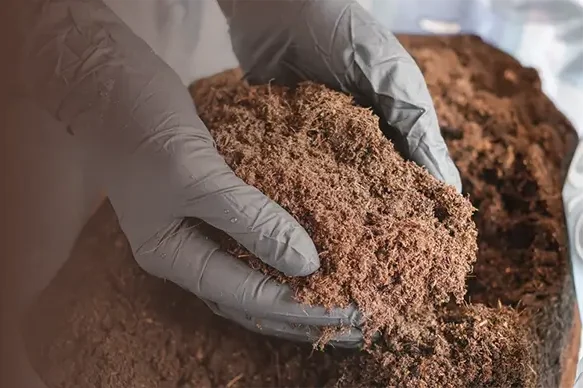
Here is the most important rule of the garden: Neither garden soil nor topsoil belongs in a pot. Even the “fluffy” garden soil contains real dirt (sand and clay). In a container, gravity and frequent watering cause those minerals to pack down until the drainage holes clog. Your plant’s roots will literally drown. For pots, hanging baskets, and indoor plants, always use a Soilless Potting Mix made of peat, coir, and perlite.

Final Insights: Your Dirty Cheat Sheet for Success

Before you head to the checkout, keep these final tips in mind to ensure your garden thrives this season:

  • The Squeeze Test: If you can, squeeze a handful of the soil. If it stays in a hard, sticky ball, it’s topsoil (high clay). If it crumbles easily when you poke it, it’s garden soil.
  • Mix, Don’t Just Layer: If you are adding garden soil to an existing bed, till it into the native earth. This prevents a “layer cake” effect where roots refuse to cross the boundary between two different soil types.
  • Check the Source: “Cheap” topsoil can sometimes be full of weed seeds. If you’re doing a large project, ask if the soil has been screened.