 Cart is empty
 We’ve all been there: standing in the garden center, staring at rows of nearly identical bags of “dirt.” One is cheap, one is pricey, and both look like mud. It’s tempting to grab the budget-friendly bag of topsoil and call it a day, but that choice could be the difference between a thriving harvest and a muddy mess.
Understanding the “why” behind your soil choice is the secret to a green thumb. Let’s clear the air (and the dirt) on which one you actually need.
The Bare Bones: When Topsoil Is the Right Tool for the Job
Think of topsoil as the “raw material” of the earth. It is literally the top layer of ground—usually a mix of sand, silt, and clay—stripped from construction sites or cleared land. Because it isn’t “processed,” it’s heavy, dense, and inexpensive.
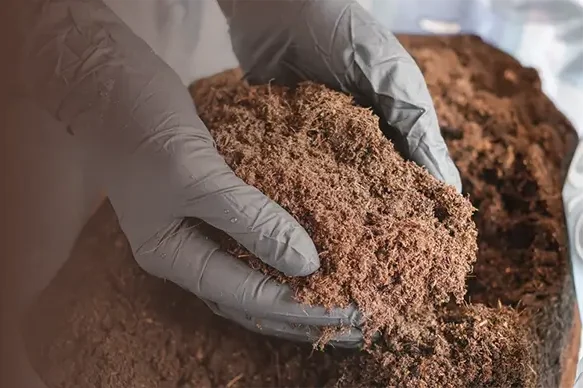
[Image showing the difference between the texture of gritty topsoil and fluffy garden soil]Best Use Cases for Topsoil:
- Filling and Leveling: If you have a literal hole in your yard or a low spot where water pools, topsoil is your best friend.
- Lawn Repair: When patching a patch of grass or laying new sod, a thin layer of topsoil provides the structural base roots needed.
- Bulk Volume: If you’re building a massive 3-foot-deep raised bed, fill the bottom two-thirds with topsoil to save money.
The Catch: Topsoil has very little “lung capacity.” It compacts easily, which can suffocate the delicate roots of flowers and vegetables. It also lacks the nutrient punch required for high-performance plants.
The Premium Blend: Why Garden Soil is Your Plants’ Best Friend
If topsoil is the “house frame,” garden soil is the fully furnished home. It’s a specialized mix of topsoil that has been “supercharged” with organic amendments like compost, peat moss, and aged bark.
Why it’s worth the extra few dollars:
- Aeration: It’s engineered to stay fluffy, allowing roots to breathe and grow rapidly.
- Moisture Control: The added organic matter helps hold water like a sponge without letting the plant drown.
- Instant Nutrition: Most garden soils are pre-mixed with slow-release fertilizers to give your seedlings a head start.
Best Use Cases for Garden Soil:
- Vegetable Plots: Tomatoes and peppers are “hungry” plants that need the nutrients topsoil just can’t provide.
- Flower Beds: For maximum blooms, you need a medium that won’t turn into a brick during the summer heat.
The Critical Potting Warning: Why Your Containers Are Dying
Here is the most important rule of the garden: Neither garden soil nor topsoil belongs in a pot. Even the “fluffy” garden soil contains real dirt (sand and clay). In a container, gravity and frequent watering cause those minerals to pack down until the drainage holes clog. Your plant’s roots will literally drown. For pots, hanging baskets, and indoor plants, always use a Soilless Potting Mix made of peat, coir, and perlite.

Final Insights: Your Dirty Cheat Sheet for Success
Before you head to the checkout, keep these final tips in mind to ensure your garden thrives this season:
- The Squeeze Test: If you can, squeeze a handful of the soil. If it stays in a hard, sticky ball, it’s topsoil (high clay). If it crumbles easily when you poke it, it’s garden soil.
- Mix, Don’t Just Layer: If you are adding garden soil to an existing bed, till it into the native earth. This prevents a “layer cake” effect where roots refuse to cross the boundary between two different soil types.
- Check the Source: “Cheap” topsoil can sometimes be full of weed seeds. If you’re doing a large project, ask if the soil has been screened.


Add a Comment