The “Curb Appeal” Playbook: 5 Ways Mulch Transforms Your Home Overnight

High-Impact, Low-Effort Secrets to Instant Yard Envy

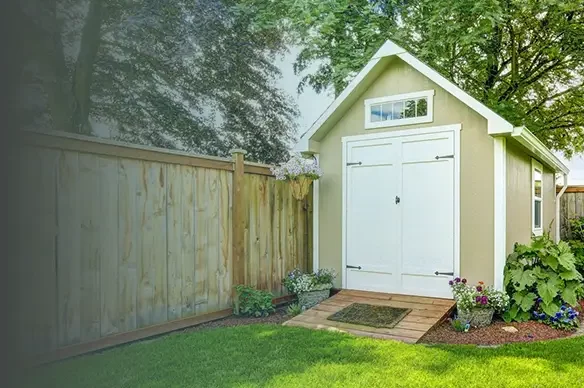
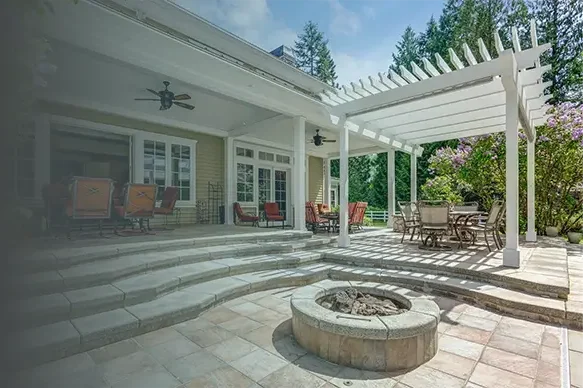
If your home’s exterior feels a bit “meh,” you don’t need a contractor or a massive budget to fix it. You need a weekend and a few yards of mulch. Often overlooked as just “garden debris,” mulch is actually the ultimate cosmetic enhancer for real estate. It is the mascara of the landscaping world—it defines, darkens, and draws the eye to all the right places.

In the high-stakes game of first impressions, mulch is your MVP. Whether you’re prepping for a weekend open house or just want to be the envy of the cul-de-sac, here are five ways this simple material transforms your property overnight.

1. The “Manicured” Silhouette: Instant Definition

Sculpting Sharp Borders That Scream Professional Polish

Nothing says “neglected” like a bleeding lawn where grass creeps into the flower beds. It creates a fuzzy, chaotic visual that makes even the most expensive plants look like weeds. Mulch acts as a structural frame for your yard. By carving a deep “V” edge into the turf and filling the bed with fresh mulch, you create a high-contrast line that mimics the work of a professional landscaping crew.

This visual boundary tells the viewer’s brain that the property is under control. It provides a sense of order and intentionality. When a buyer or guest pulls up to your home, those crisp, dark lines lead the eye toward the front door, creating a guided path of beauty rather than a wandering mess of greenery.

2. Color Theory: Creating a High-Contrast Canvas

Choosing the Perfect Tint to Make Your Siding Pop

Most people think mulch is just “brown stuff.” In reality, it’s a color palette. Choosing the right shade of mulch is like picking an area rug for your living room; it has to complement the “furniture” (your plants) and the “walls” (your home’s siding).

  • Deep Black: Perfect for modern, white, or gray homes. It provides a sophisticated, “midnight” backdrop that makes neon-green hostas look luminous.
  • Rich Mocha: The classic choice for brick or beige homes. It feels organic, warm, and expensive.
  • Brick Red: Use this sparingly to add warmth to colonial-style homes or to complement warm-toned stonework.

By refreshing your mulch, you aren’t just covering dirt; you’re color-grading your entire landscape. The fresh saturation hides the dusty, graying earth and replaces it with a rich, vibrant texture that makes everything around it look brand new.

3. The Great Eraser: Hiding Your Garden Sins

Camouflaging Ugly Roots and Patchy Soil with Ease

Every yard has its “problem areas”—that spot under the oak tree where grass refuses to grow, or those knobby surface roots that trip the kids. Mulch is the ultimate “eraser.” Instead of fighting nature with expensive sod that will likely die in the shade, a thick layer of mulch turns a barren patch into an intentional “woodland feature.”

It masks uneven ground, hides irrigation pipes, and covers up the patchy, cracked soil that occurs during dry seasons. By smoothing over these imperfections, you create a uniform surface that feels serene and finished. It’s the difference between a messy, unfinished construction site and a curated garden.

4. Botanical Bodyguard: Protecting Your Investment

Locking in Moisture to Keep Your “Money Plants” Alive

Curb appeal isn’t just about the day you put the house on the market; it’s about keeping your expensive ornamental trees and shrubs thriving. Sun and wind are the enemies of new plantings, stripping away moisture and baking the roots.

Mulch acts as a thermal blanket. It keeps the soil cool during hot afternoons and retains the water you spend money on every morning. When plants are hydrated, their leaves are glossy and vibrant. Wilted, brown-edged leaves are a major “red flag” for home value. By mulching, you ensure that your landscape stays “plump” and healthy, signaling to everyone that the home is meticulously maintained from the ground up.

5. Scent of Success: That “New Home” Smell

Leveraging the Sensory Power of Fresh Cedar and Pine

We often focus on the visual, but curb appeal is a multi-sensory experience. Freshly spread cedar or pine mulch carries a clean, earthy, and invigorating aroma. It’s the outdoor equivalent of baking cookies during an indoor showing.

That “fresh-cut wood” scent triggers a psychological response of cleanliness and renewal. It masks the smell of stagnant mud or street dust, greeting visitors with a fragrance that feels like a mountain retreat. When someone walks up your driveway, that subtle scent reinforces the idea that the property is fresh, healthy, and premium.

Final Insights: The ROI of the “Brown Gold”

When we talk about home improvement, we often focus on kitchen remodels or bathroom tiling—projects that take weeks and cost thousands. Mulch, however, offers perhaps the highest Return on Investment (ROI) of any home project. For the cost of a few bags and a couple of hours of light exercise, you can fundamentally change the “energy” of your property.

Pro-Tip for Maximum Impact: Always “fluff” your mulch. If you have old mulch down, don’t just dump new stuff on top. Use a rake to break up the old, compacted layer first. This prevents “mulch volcanoes” and allows the soil to breathe.

In the world of real estate and neighborhood pride, mulch isn’t just a gardening supply—it’s a finishing move. It tells the world that you care about the details, and in the game of curb appeal, the details are everything.
Beyond the Bag: The Art of Picking Mulch Color

Curb Appeal Secrets: How to Match Your Mulch to Your Home’s Personality

Choosing the right mulch is often the final “brushstroke” on a landscaping masterpiece. While many homeowners view mulch simply as a tool for weed suppression or moisture retention, professional designers know it is a powerful visual anchor. The color you choose—Deep Black, Chocolate Brown, or Vibrant Red—can either make your home’s architecture pop or cause it to fade into the background.

When you stand at the edge of your driveway and look at your property, what do you see? You aren’t just looking at dirt and plants; you are looking at a color palette. The trick isn’t just picking a color you like in the store; it’s about picking the color that likes your house back.

The Sophistication of Midnight: Why Black Mulch Rules Modernity

Black mulch has surged in popularity over the last decade, and for good reason. It provides a high-contrast backdrop that acts like a tuxedo for your garden. If your home features contemporary architecture, white siding, or grey stone accents, black mulch is your best friend.

A Stage for Your Plants

The primary benefit of black mulch is how it treats your greenery. Because black absorbs light, it creates a “void” effect that pushes the vibrant greens and variegated yellows of your hostas and boxwoods to the forefront. It makes the colors of your flowers look saturated and expensive.

Architectural Harmony

If you have a modern farmhouse with black window frames or a minimalist industrial-style home, black mulch provides a seamless transition from the built environment to the natural one. It hides shadows well and gives the impression of deep, rich, fertile soil—even if your actual soil is less than stellar.

The Earthy Embrace: Bringing Warmth with Chocolate Brown

If black mulch is a tuxedo, brown mulch is a comfortable, high-end leather chair. It is the “chameleon” of the mulch world, designed to look as natural as possible while still providing a manicured finish.

Subtle and Timeless

Brown mulch is the ideal choice for traditional homes, brick exteriors, and rustic landscapes. It doesn’t scream for attention. Instead, it creates a warm, cohesive look that mimics the forest floor. If your goal is to make your landscaping look like it has been there for twenty years (in the best way possible), brown is the way to go.

Versatility in Shrubbery

Brown mulch works exceptionally well with “warm” plant palettes. If your garden is full of ornamental grasses, autumn-toned perennials, or bronze-leafed shrubs, brown mulch complements these tones without the harsh contrast that black might provide. It offers a soft landing for the eye and makes a large garden bed feel cozy rather than sprawling.

The Bold Statement: When to Let Red Mulch Shine

Red mulch is perhaps the most polarizing choice in the landscaping world, but when used correctly, it is a powerhouse of visual energy. It isn’t meant to be subtle; it’s meant to be a focal point.

Lighting Up the Landscape

Red mulch is a fantastic companion for homes with light-colored exteriors, such as tan, beige, or light grey. Because red is a warm, energetic color, it can “wake up” a yard that feels a bit washed out. It is particularly popular in tropical climates or rock gardens where the goal is a high-energy, vibrant aesthetic.

Playing with Gold and Blue

One of the best-kept secrets of red mulch is how it interacts with gold-toned plants (like Golden Mop Cypress) or blue-toned evergreens (like Blue Star Juniper). The red provides a complementary color wheel contrast that makes these specific plant hues vibrate with intensity. It’s a bold move for a bold homeowner.

The Golden Rule: Coordination Over Comparison

The single most important factor in your decision should be your permanent fixtures. You can change your flowers every season, but you likely won’t change your siding, your roof, or your stone walkways anytime soon.

  • Check Your Roof: If your shingles are cool-toned (grey/blue), lean toward Black. If they are warm-toned (brown/tan), lean toward Brown.
  • Check Your Stonework: Look at the “flecks” in your pavers. If there are hints of charcoal, black mulch will highlight them. If there are hints of sand or clay, brown or red will bring those out.
  • The “Sun” Factor: Keep in mind that darker mulches (especially black) absorb more heat. If you live in a scorching climate with delicate plants, a lighter brown might be a safer bet for the health of your roots, whereas black is excellent for “warming up” the soil in cooler northern springs.

Final Insights: The Designer’s Last Word

Ultimately, mulch is the frame around the painting. A beautiful painting can be ruined by a frame that clashes, and a simple painting can be elevated by a frame that fits perfectly.

Before you commit to twenty bags of a specific color, buy just one. Spread it in a small, inconspicuous area against your house and leave it for 24 hours. See how it looks in the bright morning sun and the muted evening twilight. Does it make your house look cleaner and more intentional? Does it make your plants look healthier? If the answer is yes, you’ve found your winner.

Remember: Mulch fades. No matter what color you choose, UV rays will eventually dull the luster. If you want that “magazine look” year-round, a light “top-dressing” (a thin fresh layer) every spring will keep your color choice looking deliberate and sharp.

keystone-blog-image

Elevate Your Outdoors: Why Choose Keystone?
A Guide to Premium Retaining Wall Systems

Transforming your backyard isn’t just about planting flowers — it’s about building a structural foundation that lasts. Among today’s top-tier hardscaping options, Keystone retaining wall systems have become the industry gold standard for homeowners and professionals alike. Here’s why.

1. Superior Engineering That Holds Its Ground

Keystone’s strength starts with its materials and design. Unlike poured concrete (which cracks) or timber (which rots), Keystone uses high-density concrete blocks built for the long haul.

Key engineering features:

  • Patented fiberglass pin connection system[1] — mechanically interlocks each course to the one below it
  • Pins rated at 6,400 psi minimum shear strength[2] (per ICC Evaluation Service ESR-2113)
  • Precise setback control — the wall leans into the hillside at the optimal angle to counter soil pressure
  • Proven drainage design[3] — prevents hydrostatic buildup, the leading cause of retaining wall failure

“Proper drainage is the foundation of every successful, long-lasting retaining wall project. Without it, excess moisture saturates backfill and dramatically increases pressure behind the wall.” — Rochester Concrete Products[3]

2. Design Flexibility for Any Landscape

Keystone walls aren’t just functional — they’re genuinely attractive. Segmental retaining walls offer remarkable versatility that traditional masonry simply can’t match.[4]

Design options include:

  • Multiple textures — rugged weathered stone to sleek, modern finishes
  • Variety of colors and sizes to match any architectural style
  • Curved layouts and tight corners[1] — no need to cut units or break the running bond
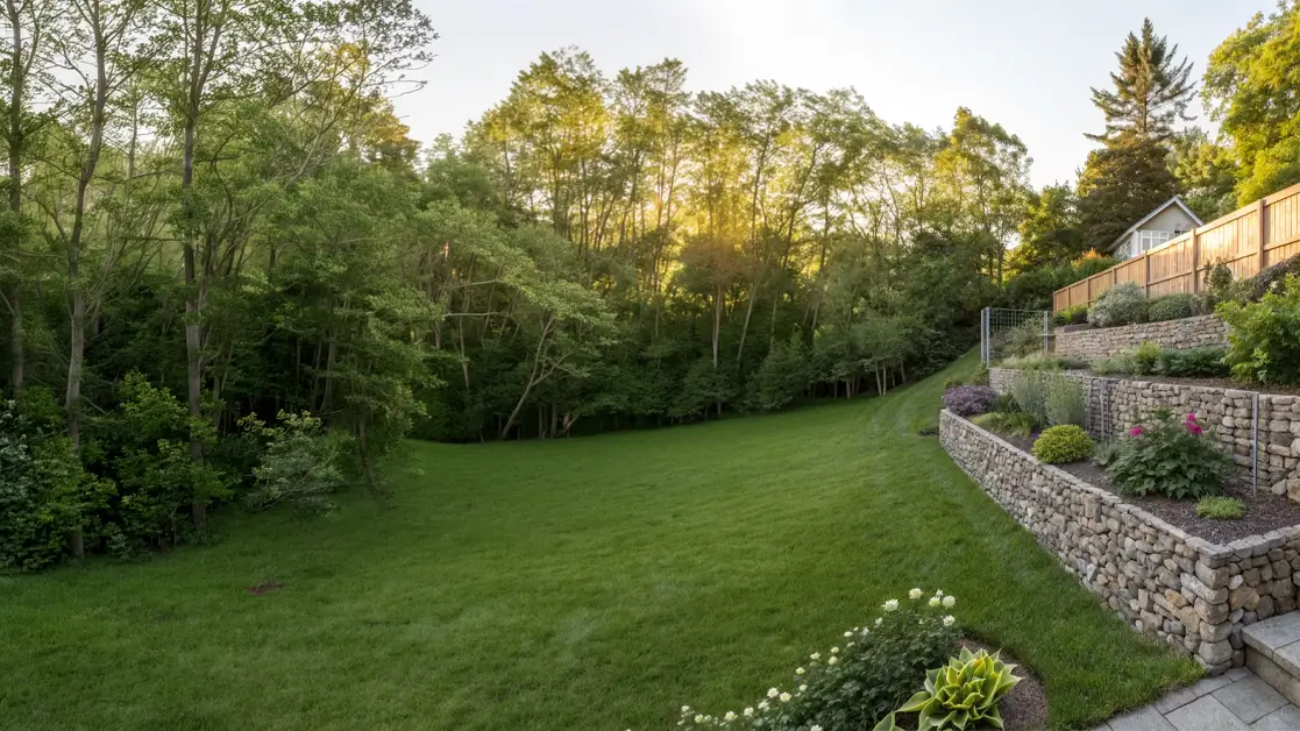
  • Integrated steps, terraces, and grade changes for multi-level yards

These design possibilities let you carve out distinct outdoor zones — effectively increasing the usable square footage of your home without a single interior renovation.

3. Low Maintenance, Built to Last

Once installed, a Keystone wall largely takes care of itself. Here’s what you won’t need to worry about:

  • No painting or sealing — the blocks are UV and weather resistant
  • No mortar to crack — dry-stack construction lets water drain freely[5]
  • No rot or corrosion — suitable for salt exposure and harsh weather cycles
  • No complex repairs — individual blocks can be adjusted if needed

Segmental retaining walls are also easy to build in tight or hard-to-access areas,[6] making them a practical choice even for complex property layouts. Homebuyers increasingly recognize the value of low-maintenance hardscaping over high-upkeep lawns and garden beds.[7]

4. A Smart Investment That Pays Off

The numbers make a strong case for Keystone as a financial decision, not just an aesthetic one:

  • Landscaping improvements can increase home value by 10–30%[8]
  • The ASLA recommends investing 10–20% of your home’s value in landscaping for maximum ROI[9]
  • Retaining walls specifically can deliver 100–200% ROI — one of the highest returns of any outdoor improvement[9]
  • They add tangible curb appeal — buyers see a finished, erosion-proof, organized outdoor space

Beyond resale, a well-built retaining wall protects your property from soil erosion, water damage, and slope instability — preventing costly issues down the road.

Bottom Line

A Keystone retaining wall is more than a landscaping feature — it’s a long-term investment in your property’s structure, beauty, and value. By choosing a system engineered for drainage, stability, and design flexibility, you get peace of mind alongside curb appeal. Don’t settle for “good enough” when you can have a structural masterpiece that truly anchors your outdoor space.

References

[1] Keystone Retaining Wall Systems. Frequently Asked Questions. keystonewalls.com/faqs

[2] ICC Evaluation Service. ESR-2113: Keystone Retaining Wall Systems. keystonewalls.com/ESR-2113.pdf

[3] Rochester Concrete Products. Reinforcement and Drainage in Retaining Wall Block Systems. rochestercp.com (July 2025).

[4] The Concrete Network. Segmental Retaining Walls. concretenetwork.com

[5] Allan Block Corporation. Mortarless Retaining Walls: Engineered for Simplicity. allanblock.com

[6] Concrete Masonry & Hardscapes Association (CMHA). Segmental Retaining Wall Design Tech Note. masonryandhardscapes.org

[7] MSE Hardscape Design. The ROI of Hardscaping. msehardscapes.com (August 2025).

[8] Angi. Does Landscaping Increase Home Value? angi.com (August 2024).

[9] HomeGuide. Does Landscaping Increase Home Value? homeguide.com (December 2025).